- (929) 209-6183
- info@emergencyplumberbronxny.com
- Available 24/7
CLOGGED TOILET REPAIR
Clogged Toilet Repair in Bronx NY
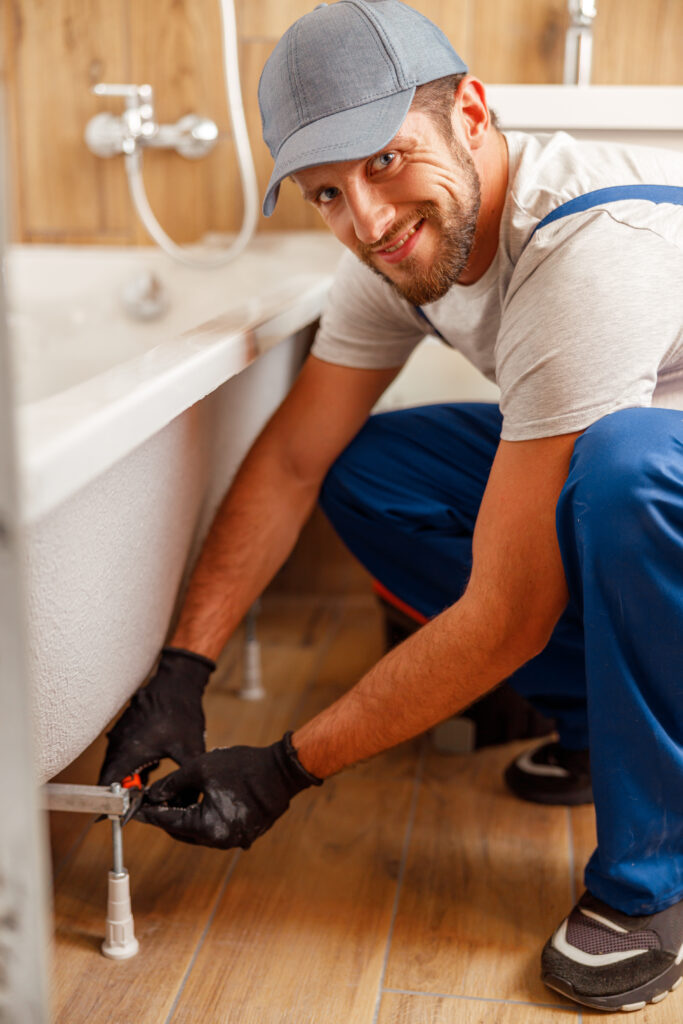
Water rising toward the rim after a flush, or a bowl that drains slowly or not at all, needs attention before it overflows. We provide clogged toilet repair in Bronx NY for homes, apartment buildings and businesses, working to clear the blockage and look at why it happened.
When a Toilet Will Not Drain
A clogged toilet has something restricting the path water and waste take out of the bowl. The blockage may be in the toilet itself or farther along the drain, and it can be partial or complete.
Clogged toilet repair focuses on that blockage: where it is, what it is and whether something is causing it to keep coming back. If your toilet runs, leaks or will not refill instead, our toilet repair page covers those problems. You can also see the other plumbing work we handle across the Bronx.
IF THE WATER IS RISING
What to Do Before It Overflows
If the water in the bowl is rising or the toilet is overflowing, a few safe steps can help:
- Stop flushing. Another flush can add more water to the bowl.
- If you know where the toilet’s shutoff valve is and can turn it safely, closing it may stop more water from entering.
- Avoid contact with the water, and keep children and pets away.
- Stay clear of outlets and electrical items if the floor is significantly wet.
- Call (929) 209-6183. Plumbing help is available 24/7, including nights, Sundays and holidays.
Do not pour chemical drain cleaners into a toilet, and never mix cleaning products. An overflow may also call for cleanup afterward, which is separate from clearing the blockage.

SIGNS OF A CLOG
Signs Your Toilet May Be Clogged
These signs may point to a blockage, though each can have more than one cause.
Water Rises After Flushing
A bowl that fills toward the rim and drains slowly, or not at all, may indicate a partial or complete blockage in the toilet or the line beyond it.
A Slow-Draining Bowl
Water that goes down gradually after a flush can be associated with a partial restriction. A weak flush can also come from other toilet problems, so it is not always a clog.
Gurgling Sounds
Gurgling from the toilet or a nearby drain may suggest that water and air are not moving freely, though the cause depends on the plumbing.
Other Drains Acting Up
If a tub, shower or floor drain backs up when the toilet is flushed, the restriction may be in a shared line rather than in the toilet. That does not by itself show where it is.
WHAT CAUSES TOILET CLOGS
Common Causes of Toilet Blockages
Toilet clogs can involve too much toilet paper at once, items that should not be flushed or an object that fell in by accident. Sometimes a restriction farther along the drain plays a part. Our article on how much toilet paper is too much for one flush covers one common cause.
NYC DEP advises that only human waste and toilet paper should be flushed, and that wipes belong in the trash, even ones labeled flushable. Its guidance on what not to flush explains that wipes can get caught in household plumbing.
One Toilet or Several Fixtures?
When only one toilet is affected, the blockage is often in that toilet or its nearby drain. When several fixtures drain slowly or back up together, the restriction may be in a line they share. That may warrant broader evaluation, but it does not by itself prove a sewer problem.

CLEARING THE BLOCKAGE
Partial and Complete Toilet Blockages
A partial blockage lets some water through, so the bowl drains slowly. A complete blockage stops the flow, and another flush can push water over the rim.
The right approach depends on where the blockage is, what it may be made of, the condition of the toilet and whether other drains are affected. We explain the approach before work begins.
When a Toilet Keeps Clogging
A toilet that clogs again and again may have something lodged inside it, a restriction farther down the drain or another issue, such as what is being flushed. Recurring clogs may warrant a closer look, but they do not automatically mean the sewer line is damaged. If you know an item went down, our guide on what to do if something falls into the toilet can help.
If clearing the toilet does not seem to solve the underlying problem, we explain what we found and which next steps may make sense. Clearing a blockage does not guarantee the toilet will not clog again.
APARTMENTS AND SHARED BUILDINGS
Clogged Toilets in Apartments and Multifamily Buildings
When Neighbors Are Affected
In buildings where toilets from several units drain into shared lines, a blockage in one section may cause problems in more than one apartment.
Only One Bathroom
A clogged toilet in a home or apartment with one bathroom can be more pressing, especially for children, older adults or anyone with health needs.
Who to Call
Tenants should report a clogged toilet to their landlord or super. Owners, property managers and businesses with customer restrooms can call us directly.
ESTIMATES
What Affects the Cost of Clogged Toilet Repair
We do not quote clogged toilet repair prices before we understand the blockage, because the work depends on where it is and what is causing it.
If clearing the toilet reveals a separate plumbing problem, any repair is discussed and estimated as its own step.
Factors that can affect the estimate:
- Where the blockage is located
- Whether the blockage is partial or complete
- Whether one toilet or several fixtures are affected
- Whether the clog keeps coming back
- How easy the toilet and drain are to reach
- The condition of the toilet
- Any related drain problems found
FAQ
Clogged Toilet Repair FAQs
Why does my toilet keep clogging?
Repeated clogs can come from too much paper, items that should not be flushed, something stuck inside the toilet or a restriction farther down the drain. Because there are several possibilities, a recurring clog is worth having checked. Some people also wonder whether low-flow toilets clog more easily, which our article looks at.
What should I do if the toilet water starts rising?
Stop flushing right away. If you can safely reach the shutoff valve for the toilet, closing it may stop more water from entering. Keep people away from the water and call for help if it does not go down.
Should I use chemical drain cleaner in a toilet?
We do not recommend it. Chemical drain cleaners can be hazardous, and mixing them with other products can be dangerous. If the toilet stays blocked, it is safer to have it evaluated.
Does a recurring toilet clog mean I have a sewer problem?
Not necessarily. Recurring clogs can have several causes. If more than one fixture is draining poorly or backing up, a broader evaluation may be needed to find the source.
When is a clogged toilet urgent?
It is more urgent if the toilet is overflowing, water is reaching another unit, other drains are backing up or it is the only toilet available. A slow toilet that still drains is usually less urgent but still worth addressing.
Dealing With a Clogged Toilet in the Bronx?
Call (929) 209-6183 and tell us what the toilet is doing. We will talk through the next step.
NEED OUR SERVICE
Get in Touch
At Emergency Plumber Bronx NY, we’re dedicated to providing reliable plumbing solutions for residents and businesses throughout the Bronx. With 24/7 availability, our team is always on call to handle plumbing emergencies—from burst pipes to stubborn clogs and everything in between. Our commitment to quality service, transparency, and customer satisfaction has made us a trusted choice in the Bronx community. Whether it’s urgent repairs, routine maintenance, or expert installations, we’re here to ensure your plumbing system runs smoothly and safely
- (929) 209-6183
- info@emergencyplumberbronxny.com
- Bronx, New York
Copyright 2026 All Rights Reserved