- (929) 209-6183
- info@emergencyplumberbronxny.com
- Available 24/7
DRAIN CLEANING
Drain Cleaning in Bronx NY
Drains rarely stop working overnight. More often, water drains a little slower each week as buildup collects inside the line. We provide drain cleaning in Bronx NY for kitchen, bathroom and laundry drains in homes, apartment buildings and businesses, helping restore better flow and find out why the slowdown happened.
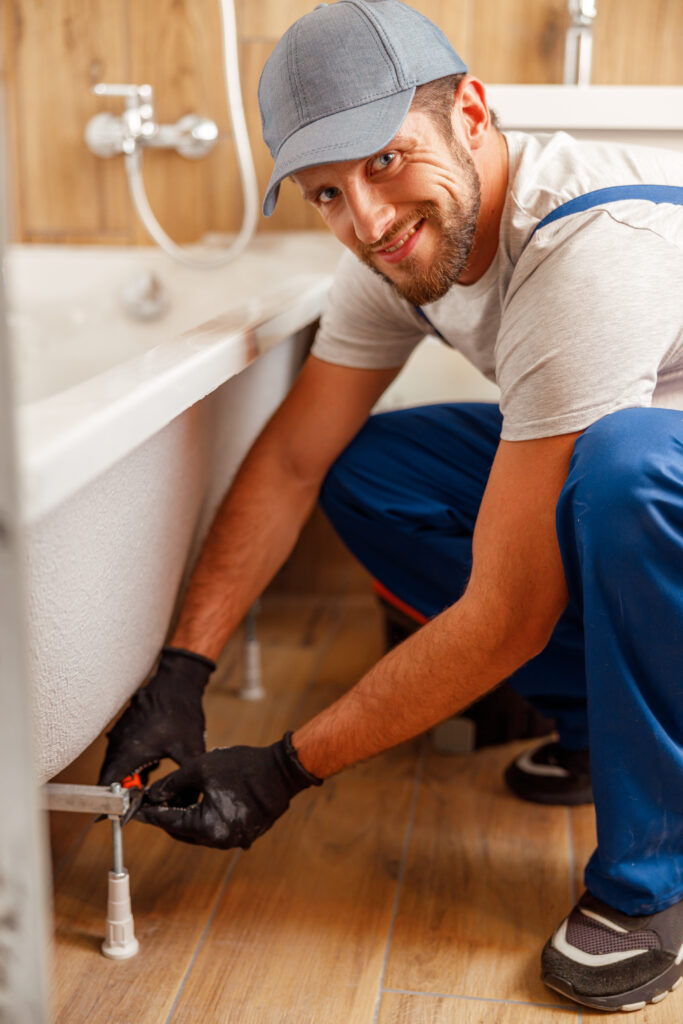
What Drain Cleaning Does
Over time, the inside of a drain line can collect grease, soap residue, hair, food particles and mineral deposits. That buildup narrows the path water has to travel, which can lead to slow draining, standing water and odors. Drain cleaning removes or breaks up that material so water can move through the line more freely.
The goal is also to understand whether buildup is the whole story. If cleaning reveals a damaged pipe or fitting, our plumbing repair service can address it, and you can see everything else we handle as a Bronx plumber.
HELPFUL HABITS
Simple Ways to Keep Drains Flowing
Everyday habits can help reduce buildup between cleanings:
- Let cooking grease cool, then put it in the trash instead of the sink. NYC DEP explains proper disposal of cooking oil and grease.
- Scrape food scraps into the trash before rinsing dishes.
- Use strainers in sinks, tubs and showers to catch hair and debris.
- Flush only toilet paper, not wipes or other products.
- Call (929) 209-6183 if a drain keeps slowing down.
Be cautious with chemical drain products. Never mix different drain cleaners or household chemicals, and do not add a product to a drain that is fully stopped or already holding another product.

SIGNS TO WATCH
Signs a Drain May Need Cleaning
These signs often develop gradually, and each could have more than one cause.
Water That Drains Slowly
A sink, tub or shower that takes longer to empty than it used to can be associated with buildup in the drain line or trap, though a partly closed stopper or another issue can cause similar symptoms.
Odors From the Drain
Unpleasant smells from a sink or floor drain may come from residue in the line. A dry trap or venting issue can also cause odors, so a smell alone does not identify the problem. Our article on why a drain may smell bad covers common sources.
Gurgling Sounds
Gurgling as water drains can be associated with a partial restriction or with air movement in the system. It does not by itself point to a sewer problem.
More Than One Slow Drain
When several fixtures drain slowly at once, the restriction may be in a shared line rather than in each fixture. That may warrant a broader drainage evaluation instead of cleaning one drain at a time.
WHAT BUILDS UP
Common Causes of Drain Buildup
Different drains tend to collect different material. Kitchen drains often build up grease, fats and food particles. Bathroom sink, tub and shower drains commonly collect hair, soap scum and grooming products. Laundry drains can collect lint, and mineral deposits can add to buildup in many lines.
Knowing what is likely in the line helps determine how it should be cleaned. For kitchens, our guide to what never to pour down a kitchen drain can help reduce buildup.
When Slow Drains Keep Coming Back
A drain that slows down again soon after cleaning may have more going on than ordinary buildup, such as a sagging section, a damaged fitting or a problem farther down the line. Repeated trouble is a reason to look at the cause, not just clear the symptom again.

KITCHEN, BATH AND LAUNDRY
Cleaning Different Types of Drains
Kitchen sinks, bathroom sinks, tubs, showers, laundry drains and floor drains each tend to collect their own kind of buildup. Access also varies, from an open trap under a sink to a line hidden behind a wall or under a floor.
The right cleaning approach depends on where the buildup is, what it is made of, the condition of the pipe and how the drain can be reached. We explain the approach before work begins.
Cleaning or Repair?
Many slow drains improve with cleaning alone. Sometimes, though, buildup is a symptom of something else, such as a damaged section of pipe, a poorly sloped run or a failing connection that traps debris.
If we see signs that cleaning will not solve the problem on its own, we explain what we found and which repair options may make sense. A cleaned drain can still slow down again over time.
APARTMENTS AND SHARED BUILDINGS
Drain Cleaning in Apartments and Multifamily Buildings
Shared Drain Lines
In many multifamily buildings, drains from several apartments connect to shared vertical lines, so buildup in one section can affect more than one unit.
Coordinating Access
Cleaning a shared line may need access through a basement, utility area or another apartment, which is usually arranged by building staff.
Tenants, Owners and Businesses
Tenants should report recurring drain problems to their landlord or super. Owners, managers and businesses such as restaurants can call us directly.
ESTIMATES
What Affects the Cost of Drain Cleaning
We do not quote drain cleaning prices before we understand the problem, because the work depends on the drain, the buildup and how the line can be reached.
If cleaning reveals a separate plumbing problem, any repair is discussed and estimated as its own step.
Factors that can affect the estimate:
- Which drain is affected and where the restriction is
- How easy the line is to reach
- How many drains are involved
- How heavy the buildup is
- Whether the problem is recurring or a one-time issue
- How the drainage system is laid out
- Any added evaluation or follow-up work
FAQ
Drain Cleaning FAQs
How do I know if my drain needs cleaning?
Water that drains slower than usual, recurring odors or gurgling sounds can be signs of buildup. These signs can have other causes too, so a closer look may help.
Why do drains get slow over time?
Grease, soap scum, hair, food particles and minerals gradually collect inside the line and narrow the space water flows through.
Does one slow drain mean I have a sewer problem?
Not necessarily. One slow drain often points to something in that fixture’s drain or trap. When several fixtures are slow at the same time, a broader evaluation may be warranted.
What is the difference between drain cleaning and clogged drain repair?
Drain cleaning focuses on clearing buildup and restoring flow, often before a drain stops completely. Clogged drain repair focuses on a drain that is fully blocked or keeps getting blocked.
Can everyday habits really help my drains?
They can reduce buildup. Keeping grease out of sinks, using strainers and flushing only toilet paper can help, though no habit can guarantee a drain will never slow down. Our article on how often drains should be cleaned explains why there is no single schedule.
Need Drain Cleaning in the Bronx?
Call (929) 209-6183 to tell us which drains are slow, and we will talk through the next step. Our team is available 24/7.
NEED OUR SERVICE
Get in Touch
At Emergency Plumber Bronx NY, we’re dedicated to providing reliable plumbing solutions for residents and businesses throughout the Bronx. With 24/7 availability, our team is always on call to handle plumbing emergencies—from burst pipes to stubborn clogs and everything in between. Our commitment to quality service, transparency, and customer satisfaction has made us a trusted choice in the Bronx community. Whether it’s urgent repairs, routine maintenance, or expert installations, we’re here to ensure your plumbing system runs smoothly and safely
- (929) 209-6183
- info@emergencyplumberbronxny.com
- Bronx, New York
Copyright 2026 All Rights Reserved