- (929) 209-6183
- info@emergencyplumberbronxny.com
- Available 24/7
LEAKING PIPE REPAIR
Leaking Pipe Repair in Bronx NY
A leaking pipe may be a slow drip at a joint, a damp spot under a sink or a stain that keeps growing on a ceiling. We handle leaking pipe repair in Bronx NY for homes, apartment buildings and businesses, starting with finding which section of pipe is leaking.
What Counts as a Leaking Pipe
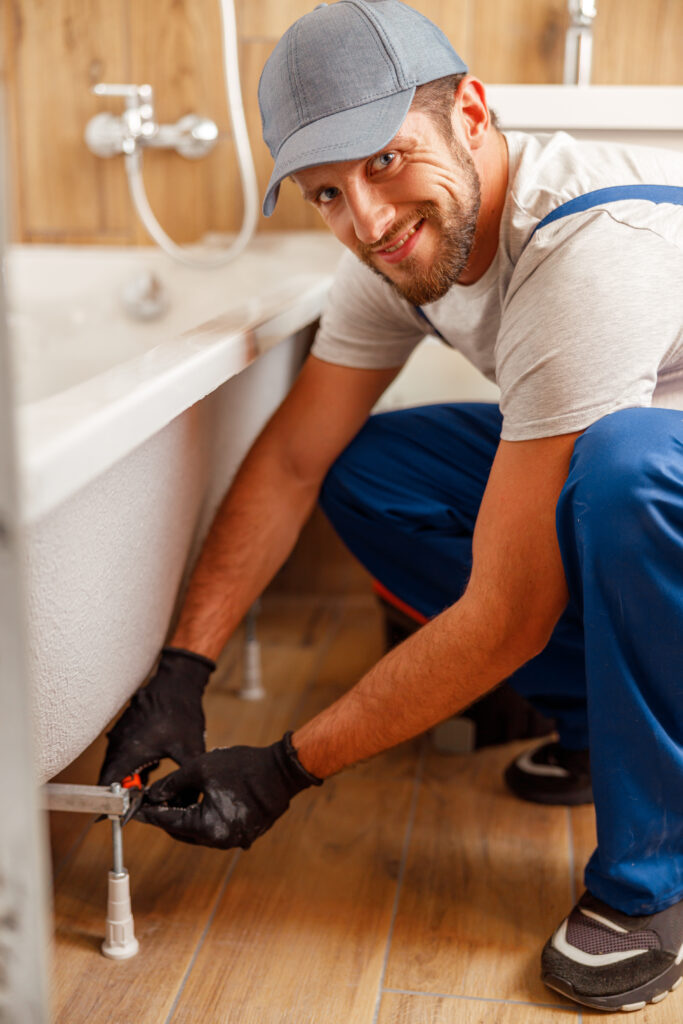
A leaking pipe is pipework that lets water escape where it should not, often at a joint, a fitting, a valve connection or a weak spot in the pipe itself. Many are small and steady, which makes them easy to overlook.
Leaking pipe repair focuses on the affected pipe: confirming where it is leaking and repairing the joint or section involved. If a pipe has split or is releasing a large amount of water, our burst pipe repair page covers that situation, and you can see everything else we handle as a local Bronx plumber.
WHILE YOU WAIT
If You Notice a Leaking Pipe
A few simple steps may help limit damage:
- If the leak is steady and you can safely reach the shutoff for that line or the main valve, turning it off may help.
- Keep away from water near outlets, electrical panels or appliances.
- In an apartment, let your super or building management know.
- Call (929) 209-6183 to describe what you are seeing.
Do not try to cut, solder or rework a pipe under pressure yourself. If you smell gas, leave the area and call 911 once you are safe.

POSSIBLE SIGNS
Signs That May Point to a Leaking Pipe
Leaks under sinks or in basements are often easy to spot. Leaks inside walls, floors and ceilings are harder to see, and each sign below can have several possible causes.
Damp Spots, Stains or Drips
Water stains, peeling paint or damp drywall near a pipe run may be associated with a slow leak, though condensation, a fixture problem or a roof leak can look similar. Our article on telling a sweating pipe from a leaking one may help you sort out what you are seeing.
Musty Odors in a Cabinet or Wall
A musty smell in a cabinet, closet or along a wall can be associated with ongoing moisture from a leak, but humidity and other sources can cause it too.
Dripping or Hissing Sounds
Faint dripping or hissing when no water is in use may warrant a check. Sounds alone do not confirm a leaking pipe or show where it is.
Water Use That Keeps Climbing
A higher bill or meter reading can come from a running toilet, a dripping faucet or a concealed pipe leak. NYC DEP sends leak alerts to customers enrolled in My DEP Account when water use suddenly rises.
COMMON CAUSES
Why Pipes Start to Leak
Leaks usually start at the weakest point in a line. Common contributors include loose or worn joints and fittings, corrosion or wear in aging pipe, worn seals at valves and connections, physical damage and movement in poorly supported pipe.
The cause affects whether fixing a single fitting is enough. Our guide explains why pipes often leak at a joint or fitting.
Small Leaks Can Grow
A slow leak may stay small or get worse as a joint or pipe wears. Water that keeps soaking into wood, drywall or insulation can damage those materials over time. Repairing the pipe stops that source of water, but it does not dry or restore materials that are already wet.

FINDING THE SOURCE
Exposed Versus Concealed Pipe Leaks
Exposed pipes in basements, utility rooms and under sinks can usually be inspected directly. Concealed pipes inside walls, floors and ceilings are different, because water can travel along the pipe or framing before it shows up.
When a leak is hidden, the plumber narrows down the likely source before choosing a repair. If a wall or ceiling has to be opened to reach the pipe, we explain the access involved first.
Repairing the Leak or Replacing a Section of Pipe
Many leaks can be fixed by repairing or replacing the joint, fitting or short section where water is escaping. When the pipe around the leak shows corrosion, wear or several earlier repairs, replacing a longer section may be more practical. If a leak has already come back once, our article on why a pipe may keep leaking after a repair covers common reasons.
The right option depends on the pipe’s material and condition, how often that line has leaked before and how easy it is to reach. After the repair, the line is checked as water is restored. Fixing one leak does not guarantee that other parts of an older system will not develop leaks later.
APARTMENTS AND SHARED BUILDINGS
Leaking Pipes in Apartments and Multifamily Buildings
Leaks That Show Up Next Door
In buildings with shared plumbing, water from a leaking pipe can appear in an apartment below or beside the one where the leak starts, which can make the source harder to trace.
Coordinating With the Building
Repairs on lines that serve several units may need a shutoff arranged by building staff, notice to residents and access to more than one space.
Who to Contact
Tenants should report a leaking pipe to their landlord, super or building management. Owners, managers and businesses can call us directly.
ESTIMATES
What Affects the Cost of Leaking Pipe Repair
We do not quote leaking pipe repair prices before seeing the problem, because the work depends on where the leak is and what we find.
Repairing walls, ceilings or finishes and drying out damp materials are separate from the plumbing repair itself.
Factors that can affect the estimate:
- Where the leak is and how easy it is to reach
- Whether the pipe is exposed or concealed
- The type and condition of the existing pipe
- Any checking needed to confirm the source
- Repairing a joint versus replacing a section
- Parts, materials and building coordination
FAQ
Leaking Pipe Repair FAQs
Is a leaking pipe the same as a burst pipe?
Not usually. A leaking pipe typically releases water slowly from a joint, fitting or weak spot. A burst pipe has split or pulled apart and usually releases much more water.
Does a leaking pipe always need to be replaced?
No. Many leaks are repaired by fixing or replacing the joint, fitting or short section involved.
How is a leak inside a wall found?
The plumber looks at where water is showing up, how the pipes are likely routed and how the problem behaves. Some concealed leaks need more detailed checking before a repair can be planned.
Is a small drip worth repairing right away?
Ongoing moisture can damage cabinets, floors and walls over time, so having a drip checked sooner may keep the repair simpler. A leak near electrical equipment or one that is getting worse may warrant prompt attention.
What should I do about a leaking pipe in my apartment?
Report it to your landlord, super or building management, especially if water may be reaching another unit.
Have a Leaking Pipe in the Bronx?
Call (929) 209-6183 to describe the leak. We are available 24/7 to talk through the next step.
NEED OUR SERVICE
Get in Touch
At Emergency Plumber Bronx NY, we’re dedicated to providing reliable plumbing solutions for residents and businesses throughout the Bronx. With 24/7 availability, our team is always on call to handle plumbing emergencies—from burst pipes to stubborn clogs and everything in between. Our commitment to quality service, transparency, and customer satisfaction has made us a trusted choice in the Bronx community. Whether it’s urgent repairs, routine maintenance, or expert installations, we’re here to ensure your plumbing system runs smoothly and safely
- (929) 209-6183
- info@emergencyplumberbronxny.com
- Bronx, New York
Copyright 2026 All Rights Reserved