- (929) 209-6183
- info@emergencyplumberbronxny.com
- Available 24/7
SEWER LINE REPAIR
Sewer Line Repair in Bronx NY
When drains throughout a building keep backing up, or problems return soon after every cleaning, the cause may be in the sewer line itself. We provide sewer line repair in Bronx NY for homes, apartment buildings and businesses, starting with a careful evaluation before any repair is recommended.
What Sewer Line Repair Covers
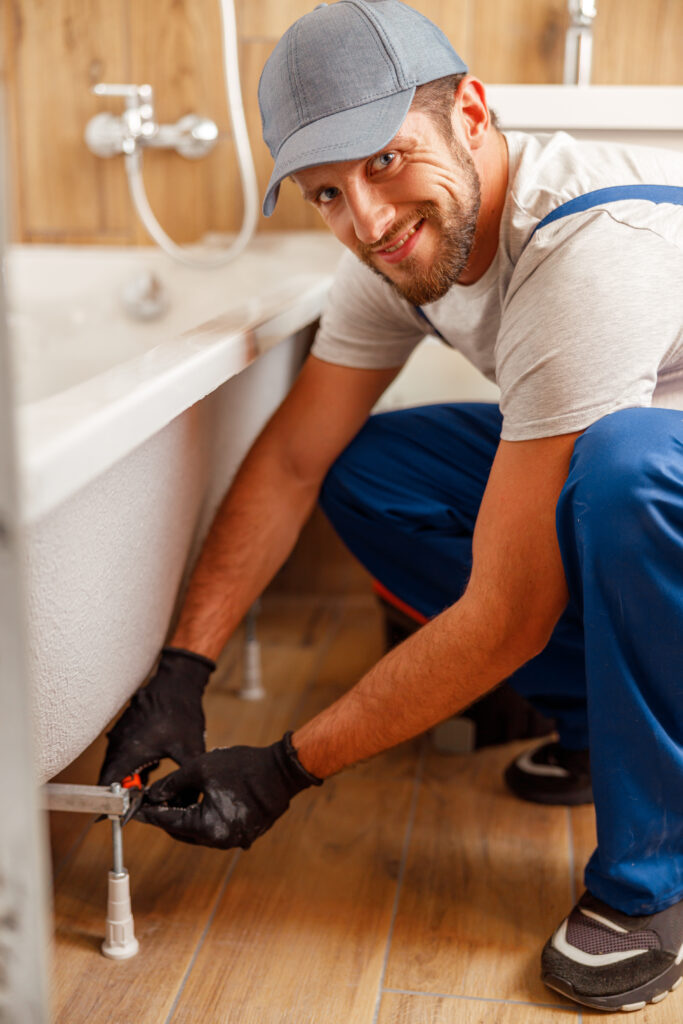
A building’s sewer line carries wastewater from its drains out toward the public sewer. When part of that line is cracked, separated, sagging or otherwise damaged, wastewater may not flow the way it should, and cleaning alone may not fix the underlying problem.
Sewer line repair addresses the condition of the pipe itself: confirming where the problem is, deciding whether a section can be repaired or needs replacing, and restoring proper flow. If a drain is simply blocked and overflowing right now, our emergency drain cleaning page covers that situation. You can also see the full range of plumbing help across the Bronx that we provide.
IF YOU SUSPECT A SEWER PROBLEM
What to Do in the Meantime
A few safe steps can help in the meantime:
- Reduce water use, especially laundry, dishwashers and showers, if drains are backing up.
- Keep people and pets away from any wastewater, and avoid direct contact with it.
- Keep electrical devices away from wet areas.
- In an apartment, report the problem to your super or building management.
- Call (929) 209-6183. Our team is available 24/7.
Do not dig near the sewer line, open cleanouts on a backed-up line or try to reach the public sewer. That work should be left to professionals.

POSSIBLE SIGNS
Signs That May Warrant a Sewer Line Evaluation
None of these signs proves the sewer line is damaged. Each can have other causes, but a pattern of them may point toward the main line rather than a single fixture.
Backups in the Lowest Drains
Wastewater coming up through a basement floor drain or the lowest fixtures in a building can be associated with a problem in the main drain or sewer line, though a simple blockage is also possible.
Several Fixtures Draining Poorly
When multiple fixtures are slow or back up together, the restriction may be in a shared line. That alone does not show whether the pipe is blocked or damaged.
Problems That Keep Coming Back
Backups that return soon after a line is cleared may suggest an underlying issue with the pipe, such as a sag or separated joint, but further evaluation is needed.
Persistent Sewer Odors
Sewer smells that linger may be associated with a damaged line, but dry traps and venting issues can also cause odors.
POSSIBLE CAUSES
Why Sewer Lines Develop Problems
Sewer lines can develop problems for several reasons. Common contributors include aging or deteriorated pipe, joints that separate or shift, sections that sag and hold waste, roots entering through cracks or joints, and damage from ground movement or nearby construction.
Which factors apply depends on the pipe material, its age, the soil and how the line runs on the property.
Who Is Responsible for What
NYC DEP explains that the City maintains the public sewer system, while property owners are responsible for maintaining and repairing their own sewer service line. DEP’s sewer backup guidance describes how that works and how to report a backup. Responsibility for a specific problem can depend on where it is, so it is worth confirming before work begins. This is also why some buyers choose to have the sewer line checked before buying a home.

REPAIR OR CLEANING
Sewer Repair Versus Sewer Cleaning
Not every sewer problem needs a repair. Some restrictions come from buildup or a blockage that can be cleared, and the line works normally afterward. Repair becomes the focus when the pipe itself is damaged, separated, sagging or deteriorated, because cleaning cannot fix those conditions.
Telling the two apart depends on evaluating the line. We explain what we find before recommending a repair. Our article on questions to ask before sewer line repair can help you prepare.
Repairing a Section or Replacing More of the Line
Sometimes a single damaged section can be repaired. Other times, the line has problems in several places, or its overall condition makes replacing a longer portion more practical.
Repair options can vary depending on the pipe’s condition and location, how accessible it is, the extent of the damage, surrounding property conditions and applicable requirements. A repair addresses the damaged section; it does not guarantee that other parts of an older line will not develop problems later.
BUILDINGS AND ACCESS
Sewer Line Repair for Apartments and Commercial Properties
Shared Building Lines
In many multifamily buildings, drains from every unit connect to one building sewer, so a problem there can affect all residents.
Access and Coordination
Sewer work may require access to basements, cleanouts, yards or areas near the sidewalk, along with notice to residents if drains cannot be used for a time. Our article on staying in your home during sewer line repair explains what may change day to day.
Owners, Managers and Tenants
Building owners, property managers and businesses can call us directly. Tenants should report sewer problems to their landlord or building management.
ESTIMATES
What Affects the Cost of Sewer Line Repair
We do not quote sewer line repair prices before the problem has been evaluated, because the scope can vary widely from one property to another.
Restoring surfaces opened for access, and any cleanup after a backup, are separate from the repair itself.
Factors that can affect the estimate:
- Where the problem is located
- How easy the line is to reach
- How much of the pipe is affected
- Repairing a section versus replacing more pipe
- Surrounding property conditions
- Evaluation needed to confirm the problem
- Any permits or requirements that apply to the work
FAQ
Sewer Line Repair FAQs
Do several slow drains mean my sewer line is broken?
Not necessarily. Several slow drains may point to a problem in a shared line, but that problem could be a blockage rather than damage. Evaluation is needed to tell the difference.
What is the difference between sewer line repair and sewer cleaning?
Cleaning clears buildup or blockages inside the line. Repair fixes the pipe itself when it is damaged, separated or sagging. Some problems need one, and some need both.
Does sewer line repair always require digging?
Not always. It depends on where the problem is, the condition of the pipe and how the line can be reached. We explain what access is likely to be needed before any work begins.
Who is responsible for my building’s sewer line?
NYC DEP states that property owners are responsible for their sewer service line, while the City maintains the public sewer. Tenants should contact their landlord.
Can a repaired sewer line have problems again?
It can. A repair fixes the damaged section that was found, but other parts of an older line may develop issues over time.
Concerned About Your Sewer Line?
Call (929) 209-6183 to describe what you are seeing, and we will talk through the next step for your property.
NEED OUR SERVICE
Get in Touch
At Emergency Plumber Bronx NY, we’re dedicated to providing reliable plumbing solutions for residents and businesses throughout the Bronx. With 24/7 availability, our team is always on call to handle plumbing emergencies—from burst pipes to stubborn clogs and everything in between. Our commitment to quality service, transparency, and customer satisfaction has made us a trusted choice in the Bronx community. Whether it’s urgent repairs, routine maintenance, or expert installations, we’re here to ensure your plumbing system runs smoothly and safely
- (929) 209-6183
- info@emergencyplumberbronxny.com
- Bronx, New York
Copyright 2026 All Rights Reserved